Tokenomics, a portmanteau of "token" and "economics," refers to the economic model behind cryptocurrencies and blockchain projects. With the advent of new technologies and the maturation of the cryptocurrency market, the concept of Tokenomics 2.0 has emerged. This revised model goes beyond the initial iterations of tokenomics, providing a comprehensive framework that integrates features such as governance, utility, and incentivization.
What is Tokenomics?
At its core, Tokenomics deals with how cryptocurrencies are designed to create value. This involves understanding how tokens are created, distributed, and utilized within their ecosystems. Initially, many cryptocurrencies operated with simple token economics, where tokens were primarily used as a store of value or medium of exchange.
However, as the cryptocurrency landscape evolved, new models began to emerge that addressed the shortcomings of early token systems. The term "Tokenomics" encompasses several critical components, including supply and demand, the role of incentives, and the mechanisms that govern token value fluctuations.
Questions about the issuance model, token supply cap, deflationary or inflationary tendencies, and the overall utility of tokens have become increasingly pertinent. In this regard, the rise of decentralized finance (DeFi) and non-fungible tokens (NFTs) has compelled numerous projects to rethink their tokenomics to establish sustainable ecosystems.
Tokenomics 2.0: What Are Its Key Features?
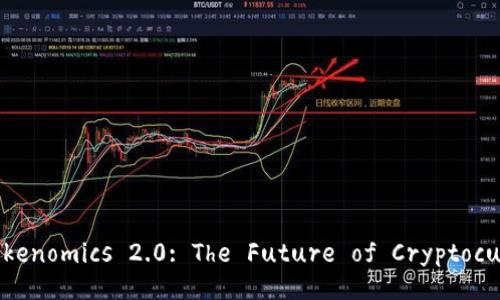
Tokenomics 2.0 builds upon the fundamental principles of token economies but introduces advanced features that better align the interests of participants. Here are some key characteristics:
1. **Governance**: One of the dazzling aspects of Tokenomics 2.0 is decentralized governance. Token holders can participate in voting mechanisms that affect project decisions, upgrades, and fund allocation. This democratization fosters community engagement and ensures that decisions reflect the interests of those contributing to the ecosystem.
2. **Utility**: Utility tokens are integral to Tokenomics 2.0, emphasizing their role in accessing services, features, or rights within a blockchain network. Developers are increasingly focused on creating tokens that serve meaningful purposes beyond speculation, aiming to increase real-world utility and engagement.
3. **Incentives**: Incentives play a crucial role in user retention and engagement. Tokenomics 2.0 implements dynamic incentive structures that reward participants for contributing to network health, whether through staking, providing liquidity, or actively participating in governance. Such mechanisms ensure that users are motivated to engage sustainably.
4. **Interoperability**: Interoperability is becoming more critical in a multiprotocol environment. Tokenomics 2.0 embraces cross-chain functionality, allowing tokens to thrive beyond the confines of a single blockchain and facilitating easier access to diverse marketplaces and potential user bases.
5. **Sustainability**: Finally, sustainability in Tokenomics incorporates environmentally friendly practices and economic models. Token projects are exploring ways to minimize their carbon footprint and ensure that growth does not come at the expense of social or environmental viability.
Why Is Tokenomics Important for Investors?
Understanding tokenomics is essential for potential investors and stakeholders within the cryptocurrency space. Acquiring knowledge of how a token operates can significantly impact investment strategies and risk assessment. Here are several reasons why Tokenomics is important for investors:
1. **Informed Decision-Making**: A thorough understanding of a project’s tokenomics can enable investors to discern its potential for growth. Analyzing aspects such as token distribution, lock-up periods, and vesting schedules provides insights into price stability and the likelihood of market manipulation by insiders.
2. **Market Behavior Prediction**: Tokenomics insights can help investors gauge market behavior. For instance, if a large portion of tokens is staked, the available supply in the market diminishes, potentially driving prices up. Similarly, understanding vesting timelines can reveal when significant selling pressure might occur.
3. **Identifying Red Flags**: Investors who are adept at analyzing tokenomics can spot red flags in investment opportunities. For example, an excessively high inflation rate or poor incentive mechanisms can signal unsound token economics that may lead to a collapse in value.
4. **Risk Evaluation**: Comprehensive tokenomic analysis can assist in evaluating risks associated with investment. Investors can assess the stability of token price, demand dynamics, and liquidity, which are crucial in navigating the volatile cryptocurrency market.
5. **Investment Alignment**: Tokenomics can reveal how closely aligned the interests of developers and investors are. When token incentives for developers match those of holders, it can create a healthier and more prosperous ecosystem.
Challenges in Tokenomics 2.0
Despite its advancements, Tokenomics 2.0 faces numerous challenges that can hinder its effectiveness and acceptance. Consider the following issues:
1. **Complexity**: The increased sophistication of tokenomics can result in confusion for average users. Many investors may struggle to comprehend intricate token models, making informed decision-making more challenging.
2. **Regulatory Uncertainty**: Regulatory environments worldwide remain uncertain, and this can impact the design of tokenomics. Projects may face legal scrutiny regarding security regulations, which can complicate fundraising and distribution.
3. **Market Manipulation**: As seen with numerous projects, tokenomics can be susceptible to market manipulation or pump-and-dump schemes. Unscrupulous actors may exploit perceived deficiencies to their advantage, endangering the ecosystem's integrity.
4. **Evolving Standards**: The rapidly changing landscape means that what constitutes good tokenomics today may not hold true tomorrow. Developers need to be agile and ready to adapt, but this can lead to inconsistency in project execution.
5. **Sustainability Debate**: While new mechanisms promote sustainability, the overall environmental impact of blockchain technology is under scrutiny. Some projects face backlash for using energy-intensive consensus mechanisms, prompting many to reconsider their approaches to tokenomics.
Real-World Examples of Tokenomics 2.0
Several successful projects exemplify the principles of Tokenomics 2.0, demonstrating how a well-structured token economy can lead to thriving ecosystems. Here are a few notable examples:
1. **Uniswap (UNI)**: Uniswap has pioneered automated market makers (AMMs) and decentralized exchange (DEX) functionalities, leading to the creation of its governance token, UNI. Holders can vote on fee distributions, protocol upgrades, and community initiatives—fostering a sense of belonging and shared responsibility among users.
2. **Aave (AAVE)**: Aave is a decentralized lending platform with a robust incentive mechanism. Users can earn interest on their deposits as well as receive AAVE tokens for their participation in governance decisions. The platform incorporates unique features like flash loans, which further emphasize usability and innovation in tokenomics.
3. **Chainlink (LINK)**: Chainlink has established a decentralized oracle network enabling smart contracts to securely access real-world data. The native LINK token serves several purposes including paying node operators, thus ensuring a sustainable and incentivized economy that breeds reliability and performance.
4. **Yearn.Finance (YFI)**: Yearn.Finance uses governance token YFI, which holders can leverage to participate in decision-making regarding the platform's development and strategies. YFI has gained significant traction due to its sustainable incentives for liquidity providers and borrowers, making it an attractive ecosystem for users.
5. **Avalanche (AVAX)**: With its unique consensus mechanism promoting scalability, Avalanche's ecosystem rewards AVAX token holders with governance capabilities and transaction fee incentives, facilitating active community involvement and sustainable project growth.
Future Trends in Tokenomics 2.0
The cryptocurrency market continues to evolve, and Tokenomics 2.0 will likely adapt to emerging trends. Here are some anticipated developments:
1. **Enhanced User Engagement**: Future token economies are expected to focus on user engagement through gamification and additional incentives. Projects may leverage loyalty programs and achievements to attract and retain users.
2. **Cross-Chain Solutions**: The interoperability of tokens across diverse blockchain networks will become vital. Projects will increasingly prioritize cross-chain functionality to capitalize on the growing ecosystem of DeFi assets and marketplaces.
3. **Regulatory Evolution**: As regulations become clearer, projects will develop compliant tokenomics models that foster investor trust. This limitation will also necessitate a greater focus on transparency in decision-making processes.
4. **Low-Impact Models**: Environmentally conscious projects will gain traction as sustainability becomes a primary concern in crypto investments. Tokenomics that prioritize energy efficiency and low-carbon footprints will likely thrive.
5. **Integration with Traditional Finance**: As more DeFi projects gain recognition, integration between traditional finance and decentralized finance will expand, necessitating hybrid tokenomics models that bridge these sectors and broaden participation.
### Conclusion Tokenomics 2.0 represents an important evolution in how cryptocurrencies function, offering improved governance, utility, and sustainability. While challenges remain, understanding tokenomics and its implications can empower investors and communities within the cryptocurrency ecosystem. Discussing real-world examples and future trends indicates that Tokenomics 2.0 will continue to shape the dynamics of blockchain and cryptocurrency markets in unprecedented ways. Understanding this evolving landscape will be crucial for engaged participants seeking meaningful and sustainable ways to interface with digital assets.